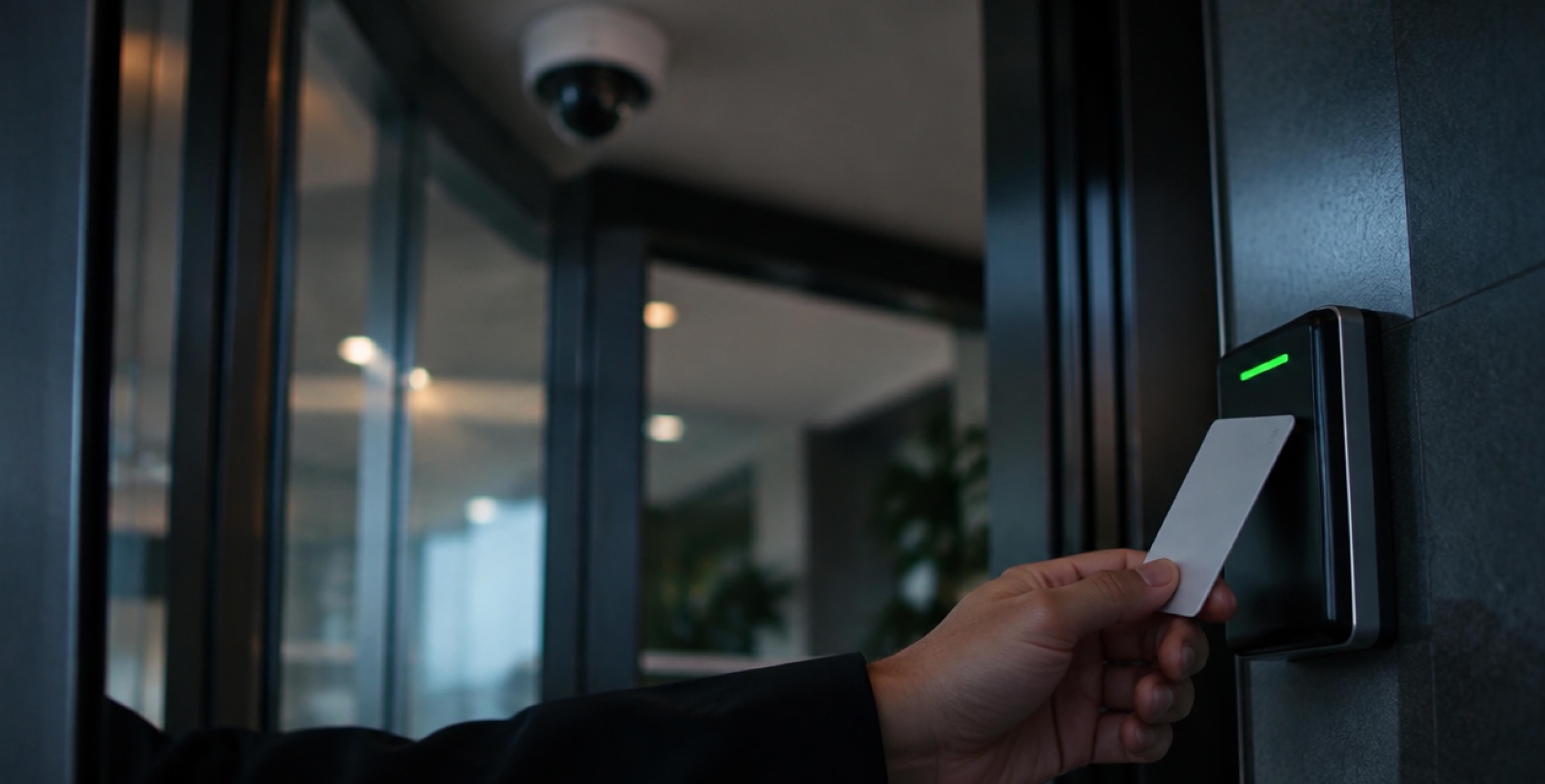
Human decision-making is often the hidden factor that determines the success or failure of security operations. In physical security, cybersecurity, and intelligence, split-second judgments can make all the difference. Yet our minds rely on rapid, instinctive shortcuts such as pattern matching, familiarity bias, and freezing under stress, that affect threat perception and shape responses in ways we rarely notice. This piece explores these cognitive pitfalls and outlines strategies to reduce their operational risk.
Key Cognitive Shortcuts amp; Biases
Pattern Matching: Humans instinctively evaluate situations by comparing them to internal “prototypes” of what a threat should look like. In security, this can lead to overlooking or misjudging risks simply because they don’t resemble past or familiar threat profiles. While this heuristic enables quick decisions, it can also create dangerous blind spots and inaccurate threat prioritization.
Familiarity Bias: A tendency to trust what is familiar (people, routines, interfaces) because the brain processes familiar stimuli more quickly. This can lead CPOs or analysts to under-react to someone who “seems familiar,” reducing suspicion even when signals are ambiguous.
Availability Heuristic: We tend to judge how likely something is by how easily examples come to mind. For security teams, this means a recent threat might loom larger than it really is, while less obvious or rare threats can be overlooked, leaving gaps in the system’s defenses.
Overconfidence: Even seasoned security professionals can be overconfident in their assessments. Confidence may stay high despite limited or unclear information, making them less likely to question or revisit an initial judgment.
Normalcy Bias: The tendency to assume that things will continue as they always have. In security operations, this can make teams underestimate serious threats, under-prepare for rare but high-impact events, or respond slowly when warnings signal something unusual is happening.
Freezing Under Time Pressure
In split‑second decision-making, freezing is perhaps one of the most critical reactions.
- What Is Freezing?
When people detect a threat, particularly in situations of high uncertainty or potential danger, they may display a freeze response, marked by stillness and a drop in heart rate (bradycardia), as the body’s nervous system instinctively slows and stabilizes.
This reaction is part of the body’s evolved stress response (fight‑flight‑freeze) and can temporarily enhance perception and information processing. Rather than representing a lapse in action, freezing can serve a functional role, allowing the decision maker to carefully assess the situation, weigh options, and prepare an appropriate response.
- How Freezing Biases Decision Making
Freezing can subtly shape how people weigh their options. It biases the evaluation of risks and rewards, influencing whether someone leans toward approaching or avoiding a threat. Moving out of a freeze isn’t automatic, there’s a “value-based trade-off” involved. When the available action doesn’t match a person’s natural tendency to act or stay passive, stronger freezing can dull their sense of what’s valuable. In security or threat situations, this means that someone who is freezing may hesitate, misjudge risk, or default to more passive responses, even when taking decisive or aggressive action would be more appropriate.
- Trade-offs of Freezing
Pros: Enhanced threat assessment, sharper sensory processing, and better preparation. Cons: Slower reactions, inertia, potential underestimation of time-critical actions, or complete inaction.
Mitigation Strategies for Security Professionals
- Establish Clear Decision Protocols: Prepare structured guidelines for high-pressure, time-sensitive situations. Having predefined checklists or decision trees can reduce reliance on instinctive shortcuts and help teams respond more effectively under stress.
- Practice with Realistic Simulations: Use scenario-based training that reflects the uncertainty and time pressure of real threats. Repeated exposure helps teams build confidence and make faster decisions under stress, while reducing the risk of freezing or relying on poor heuristics.
- Train to Manage Bodily Responses: Freezing is not just mental, it has a physical component, such as slowed heart rate. Learning to recognize and regulate these bodily reactions can enhance control and improve decision-making under pressure. Research shows that managing freeze-related states leads to better outcomes in critical situations.
Nuances to Keep in Mind
- Don’t Aim to Eliminate All Biases: Cognitive shortcuts exist for a reason; they enable fast decisions, which are often critical in security contexts. Completely removing them isn’t realistic or necessarily desirable. Research in strategic decision-making even shows that biases can sometimes be helpful, speeding up choices under uncertainty.
- Training vs. Reality Gap: Remember that simulations and training exercises, no matter how realistic, can’t fully replicate the stress, stakes, or ambiguity of real-world situations. They’re controlled environments, so performance in training may differ from performance under true operational pressure.
- Resource Constraints: Tools like decision-making assessments, physiological monitoring techniques, and simulation-based training can be powerful, but they also require significant time, effort, and financial investment. Implementing them effectively takes careful planning and prioritization.
#SecurityLeadership #RiskManagement #ProtectiveIntelligence #HumanPerformance #DecisionMakingUnderStress #SecurityOperations #CognitiveBiases #ProtectiveServices #HighPressureEnvironments